New Year New Goals for Safeguarding Your Home Against Wildfires

Wildfires have become an increasing threat to homeowners, especially in regions like Idaho where dry conditions and dense forests create a perfect environment for fires to spread rapidly. Each year, thousands of homes face damage or destruction due to wildfires, often sparked by embers carried by the wind. As the new year begins, setting clear goals to protect your home from wildfire damage is essential. This post offers practical steps and strategies to make your property ember safe and resilient against wildfire threats.

Understanding the Wildfire Risk to Your Home
Wildfires can spread quickly, fueled by dry vegetation, wind, and heat. The danger to homes often comes not just from the flames but from embers—small burning fragments that can travel miles ahead of the fire front. These embers can ignite roofs, decks, and other vulnerable parts of a property.
In Idaho, wildfire seasons have lengthened and intensified in recent years. Homeowners need to recognize that wildfire risk is not limited to remote forest areas; even suburban neighborhoods near wildlands can be affected. Preparing your home means reducing the chance that embers will ignite your property and having systems in place to slow or stop fire spread.
Creating an Ember Safe Zone Around Your Home
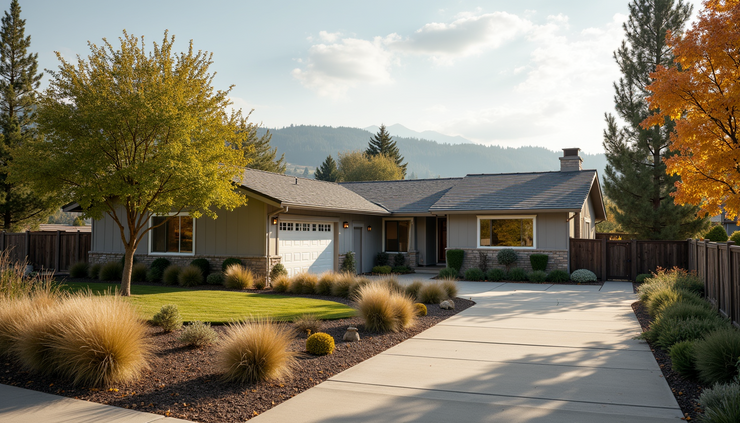
One of the most effective ways to protect your home is by creating defensible space, often called an ember safe zone. This involves clearing flammable materials and landscaping strategically to reduce fire fuel near your house.
Steps to Create an Ember Safe Zone
Clear vegetation within 30 feet of your home. Remove dry leaves, dead plants, and low-hanging branches.
Use fire-resistant plants and landscaping materials. Choose plants with high moisture content and avoid resinous or oily species.
Keep grass trimmed and watered. Dry grass ignites easily from embers.
Remove combustible materials from decks and patios. Store firewood and propane tanks at least 30 feet away from the house.
Maintain gutters and roofs. Clean out pine needles, leaves, and debris regularly to prevent ember accumulation.
By maintaining this ember safe zone, you reduce the chance that embers will ignite your home’s exterior or landscaping.
Installing Sprinkler Systems for Active Fire Defense
Passive measures like clearing vegetation are vital, but active systems such as sprinkler systems can provide an extra layer of protection. Sprinklers can wet roofs, decks, and surrounding vegetation to slow fire spread and reduce ember ignition.
Benefits of Sprinkler Systems
Automatic activation during fire alerts. Some systems can be linked to fire detection sensors or manually activated.
Coverage of vulnerable areas. Sprinklers can target roofs, eaves, and landscaping.
Reduced ember ignition risk. Wet surfaces are less likely to catch fire from embers.
In Idaho, where wildfire risk is high, many homeowners have installed sprinkler systems designed specifically for wildfire defense. These systems often use low-pressure water and can be integrated with existing irrigation setups.
Building and Renovating with Fire-Resistant Materials
When building a new home or renovating, choosing fire-resistant materials can significantly improve wildfire safety.
Recommended Fire-Resistant Materials
Roofing: Metal, tile, or Class A fire-rated asphalt shingles resist ember ignition better than wood shakes.
Siding: Fiber cement, stucco, or brick are less flammable than wood or vinyl.
Windows: Double-pane or tempered glass windows reduce the chance of breaking from heat.
Vents: Install ember-resistant vents with fine mesh screens to prevent embers from entering attics or crawl spaces.
Using these materials creates a home that can better withstand wildfire exposure and reduce damage.
Planning for Emergency Preparedness
Protecting your home also means preparing for the possibility that evacuation may be necessary.
Key Emergency Preparedness Tips
Create an evacuation plan. Know multiple routes out of your neighborhood.
Assemble an emergency kit. Include important documents, medications, water, and supplies.
Stay informed. Sign up for local wildfire alerts and monitor conditions.
Communicate with neighbors. Coordinate wildfire readiness and watch for each other’s safety.
Being ready to leave quickly can save lives and reduce stress during wildfire events.
Maintaining Your Wildfire Defenses Year-Round
Wildfire protection is not a one-time effort. Regular maintenance keeps your home ember safe and ready for wildfire seasons.
Maintenance Checklist
Inspect and clean gutters and roofs quarterly.
Trim trees and shrubs regularly.
Test sprinkler systems before wildfire season.
Replace damaged fire-resistant materials promptly.
Refresh defensible space by removing new growth or debris.
Consistent upkeep ensures your home remains a strong barrier against wildfire threats.
Taking Action This New Year
Setting goals to protect your home from wildfire damage is a smart step for any homeowner, especially in wildfire-prone areas like Idaho. Start by assessing your property’s current risks, then plan improvements such as creating an ember safe zone, installing sprinkler systems, and upgrading building materials. Combine these with emergency preparedness to safeguard your family and property.
By making wildfire safety a priority this year, you reduce the chance of devastating loss and increase your peace of mind. Take the time now to build a home that stands strong against wildfire threats.


Comments